Technology Trends
GEO vs AEO vs SEO: Which Search Strategy Should Your Business Prioritize Right Now?
Google AI Overviews now appear in roughly 47% of search results — and most marketing teams are still writing content for traditional search while their buyers increasingly turn to AI-powered search engines like ChatGPT, Perplexity, and Gemini for answers.
The short answer: SEO, AEO, and GEO are not competing strategies. They target different moments in the search journey, respond to different ranking signals, and deliver results on very different timelines. Which one deserves your attention depends entirely on your business goals, your audience’s search behavior, and how much runway you have.
Here’s what each approach actually does, where each one wins, and how to decide which to prioritize — without the usual hand-waving.
SEO, AEO, and GEO: What Each One Actually Means
Before comparing them, it helps to be precise about what each term covers. These three get lumped together constantly, but they’re solving different problems.
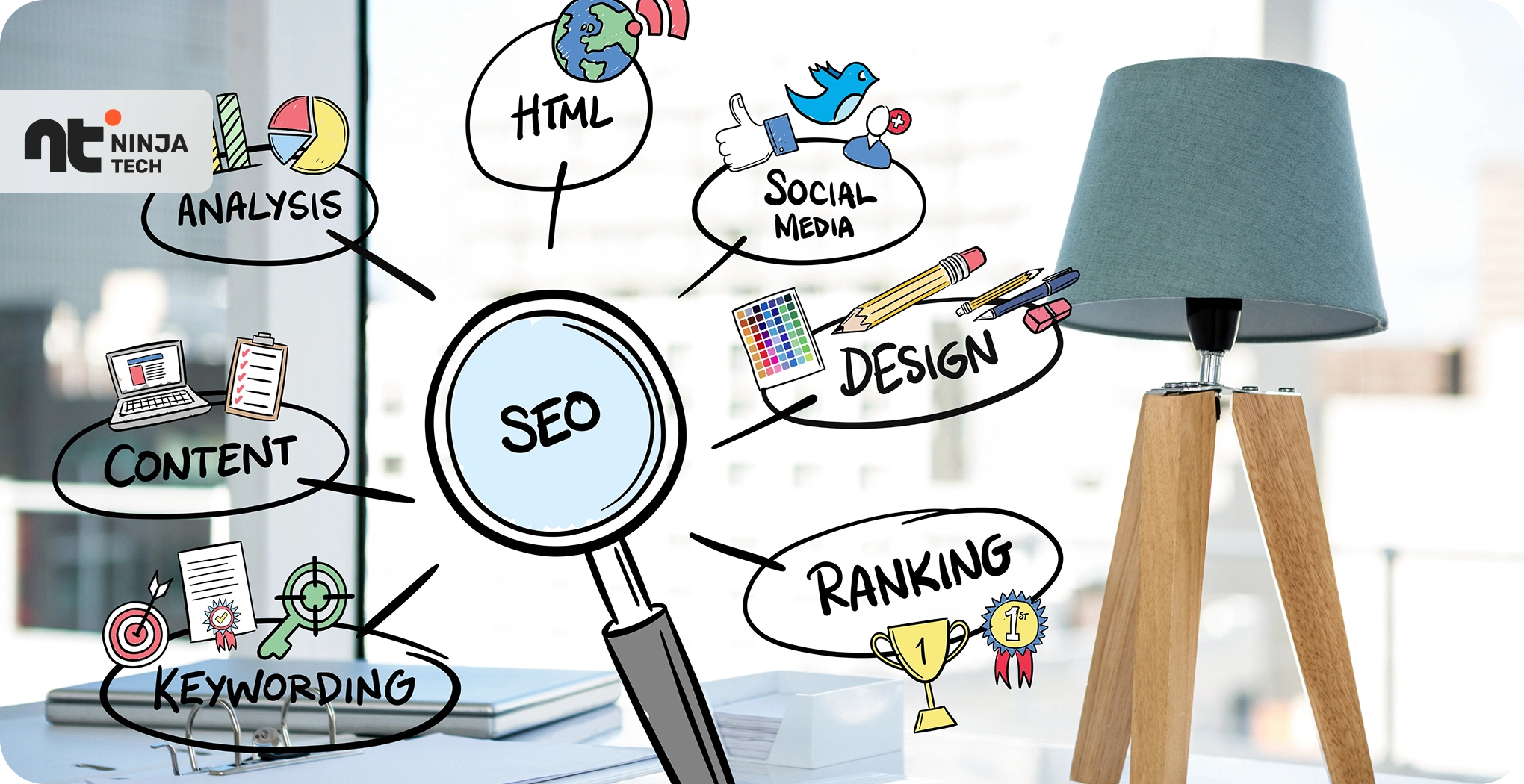
Search Engine Optimization (SEO) is what most people mean when they talk about organic search. You’re optimizing web pages to rank in traditional results — the ten blue links. The core levers haven’t fundamentally changed: backlinks, on-page content quality, technical health, and signals that tell Google your content is trustworthy and relevant. SEO is still the highest-volume channel for most businesses. Full stop.
Answer Engine Optimization (AEO) targets a different placement entirely. Instead of ranking in the list, you’re trying to own the featured snippet, the “People Also Ask” box, or the voice search result that reads one answer aloud. The focus shifts to structured data, FAQ formatting, and schema markup. AEO is where the question “how to rank in AI-generated answers” first becomes relevant — because Google’s own snippet systems are an early form of AI-curated answers.
Generative Engine Optimization (GEO) is the newest of the three. This is about getting your brand cited inside AI-generated responses — the summaries that Google AI Overviews produces, or the answers that ChatGPT, Perplexity, or Gemini surface when someone researches a topic. GEO isn’t about ranking. It’s about being the source those systems quote.
How These Strategies Differ on Traffic, Timing, and AI Search Visibility
The practical differences between these three approaches show up in four specific areas: the type of traffic they deliver, how long they take to work, how you measure them, and what they actually cost.
Traffic: Clicks vs. Impressions vs. Citations
SEO still wins on raw click volume. Users browse, compare, and click through — especially for high-intent queries tied to purchase decisions.
AEO often trades clicks for visibility. A featured snippet answers the question directly on the page, which means fewer users click through to your site. That sounds bad, but it builds brand recognition at scale — and if someone asking “what is workflow automation software” sees your brand as the authority, that impression has real value.
GEO works differently from both. AI search visibility doesn’t always drive direct traffic. When ChatGPT mentions your company as a credible source on a topic, the user may not visit your site that day. But they remember the name. For B2B companies selling complex products, that brand recall often matters more than the click.
Time to Results
- SEO: 3–6 months minimum for competitive terms, often longer
- AEO: Weeks, if your content is well-structured and targets answerable queries
- GEO: Hard to predict — early investments now build positioning as AI models update
Nobody knows exactly how quickly GEO efforts compound. The data here is mixed, but early patterns suggest that brands earning consistent citations in authoritative publications start appearing in AI-generated answers within months, not years.
Measurement
| Strategy | What You Track | Difficulty |
|---|---|---|
| SEO | Rankings, sessions, conversions | Straightforward |
| AEO | Featured snippet ownership, voice result wins | Moderate |
| GEO | Brand mentions in AI responses, AI Overview citations | Still emerging |
For GEO specifically, tools like Semrush’s AI Overviews tracking and manual prompt testing are where most teams start. It’s imperfect — but it’s not as blind as it was 12 months ago.
Cost and Resource Load
SEO requires sustained investment — content production, link building, and technical maintenance don’t stop. AEO is relatively low-lift if you already have content; it’s mostly a formatting and schema exercise. GEO demands investment in credibility signals: original research, PR, expert authorship, and earned media.
And here’s the underrated upside: those investments reduce long-term dependence on paid search, which is one of the most overlooked ways AI reduces business operating costs at scale. The brands building GEO authority now are quietly buying themselves out of future ad spend.
Which Strategy Fits Which Business Goal
Here’s where most comparisons go wrong. They treat this as a binary choice. It isn’t.
Quick reference:
| Business Situation | Lead Strategy | Support With |
|---|---|---|
| E-commerce, traffic-dependent growth | SEO | AEO |
| B2B SaaS, research-driven buyers | AEO | GEO |
| High-consideration or enterprise products | GEO | SEO |
| Mature content program, full team | All three | Sequence by priority |
Prioritize SEO When You Need Volume and Durability
If your business depends on organic traffic as a primary acquisition channel, SEO is non-negotiable. This is especially true for e-commerce, where product and category pages drive discovery at the top of the funnel and influence average order value (AOV) — a customer who finds your best-reviewed product through search is worth more than one who lands on a homepage directly.
I’d argue the businesses most at risk right now aren’t those ignoring GEO — they’re the ones who’ve let their SEO foundations erode while chasing newer tactics. Fix that first.
Prioritize AEO When Your Buyers Ask Questions Before They Buy
If your customers research before purchasing — and most B2B buyers do — AEO is often the fastest path to visibility in front of them. Companies running AI chatbots for businesses or deploying AI customer support tools know this well: the questions users ask those systems mirror the questions they’d type into a search bar.
A SaaS company I worked with restructured their knowledge base around question-format headings and added FAQ schema. Within six weeks, they owned featured snippets for eight of their top 20 non-branded queries. Their traffic from those terms barely moved — but their brand appeared at the top of every SERP for high-intent research queries. Pipeline impact followed within a quarter.
Prioritize GEO When Brand Authority Is Your Competitive Moat
If you sell high-consideration products — workflow automation tools, enterprise software, consulting services — your buyers use AI-powered search engines to shortlist vendors before they ever fill out a form. Being cited in those AI-generated responses isn’t a vanity metric. It’s showing up in the room where decisions get made.
Google AI Overviews optimization matters most here. When Google summarizes a topic and cites three companies, the ones it cites didn’t get there by accident. They earned it through original research, authoritative backlinks, and consistent expert-level content. There’s no shortcut — but there is a clear path.
Running All Three: The Allocation Question
Most established businesses should run all three, sequenced by priority. A rough allocation for a mid-size company with a content team:
- 60% SEO — protecting and growing organic traffic floor
- 25% AEO — capturing intent moments, voice search, featured snippets
- 15% GEO — building AI citation signals for future positioning
That ratio shifts as your SEO foundation matures. GEO’s share should grow over the next 18–24 months.
Practical Starting Points for Each Strategy
For SEO: Audit Before You Add
Don’t publish more content until you know what’s already broken. Run a technical audit, fix crawlability issues, and shore up internal links pointing to your highest-converting pages. Core search engine ranking factors — Core Web Vitals, mobile experience, E-E-A-T signals — have to be in order before new content can do its job. Adding pages to a leaky site just gives you more pages that don’t rank.
For AEO: Reformat What You Have
Pull your top 20 queries from Search Console. Which ones are questions? Rewrite those pages with a direct 40–60 word answer at the top, add FAQ schema, and structure the rest of the content as supporting detail. You’re not writing new content — you’re making existing content extractable.
For GEO: Earn Citations, Not Just Links
Publish original data your industry doesn’t already have — a survey, an analysis, a benchmark report. Pitch expert commentary to publications that AI models treat as authoritative. Ensure your brand appears consistently across your website, LinkedIn, and third-party directories. AI systems cross-reference multiple sources, and inconsistency erodes the credibility signals you’re trying to build.
Frequently Asked Questions
What’s the difference between AEO and GEO?
AEO (Answer Engine Optimization) targets structured placements within traditional search — featured snippets, People Also Ask boxes, and voice results. GEO (Generative Engine Optimization) targets citations within AI-generated summaries from systems like Google AI Overviews, ChatGPT, or Perplexity. AEO is about formatting your content for extraction; GEO is about building the authority signals that make AI models trust your brand as a source.
Can small businesses compete in GEO without a large PR budget?
Yes, though the path is narrower. Small businesses tend to win GEO on niche, specific topics where they have genuine depth that larger brands don’t. Publishing original case studies, detailed how-to content from real practitioners, and earning mentions in industry-specific publications matters more than broad press coverage. Niche authority beats general visibility in AI-generated answers more often than people expect.
Does SEO still matter if AI is replacing traditional search?
Absolutely — and this is the most common misconception right now. AI Overviews pull from indexed web content, which means the pages Google cites in its AI-generated summaries are pages that already rank well in traditional search. Strong SEO is the prerequisite for GEO, not the alternative. Businesses abandoning SEO to chase AI visibility are cutting the foundation out from under their own strategy.
How do AI chatbots for businesses connect to search optimization?
Search optimization and AI chatbots connect in two important ways. First, the questions customers ask your AI customer support tool reveal exactly which queries your AEO and GEO content should target — it’s a direct window into your audience’s actual language. Second, as AI assistants get used for research, the brands that appear in AI-generated answers benefit from the same trust signals that power chatbot recommendations. Optimizing for both is, ultimately, the same underlying work.
The Bottom Line
SEO is the foundation. AEO captures the moments SEO misses. GEO is where long-term brand authority compounds as AI reshapes how buyers research.
The businesses that will dominate search over the next three years aren’t picking one — they’re sequencing correctly. Start with SEO fundamentals, layer in AEO for quick intent wins, and build GEO signals steadily over time.
Your fastest move right now: open Search Console and pull the queries where you’re ranking on page one but not owning a snippet. Those are your AEO wins waiting to happen — and more often than not, your first foothold in GEO too.